Dressing well is not only about choosing expensive or fashionable clothes. One of the most important parts of creating a stylish outfit is knowing how to match colors correctly. The right color combinations can make your outfit look balanced, confident, and attractive. Whether you are dressing for work, a casual day out, or a special occasion, understanding basic color coordination can make a big difference.
Understand the Basics of Color Matching
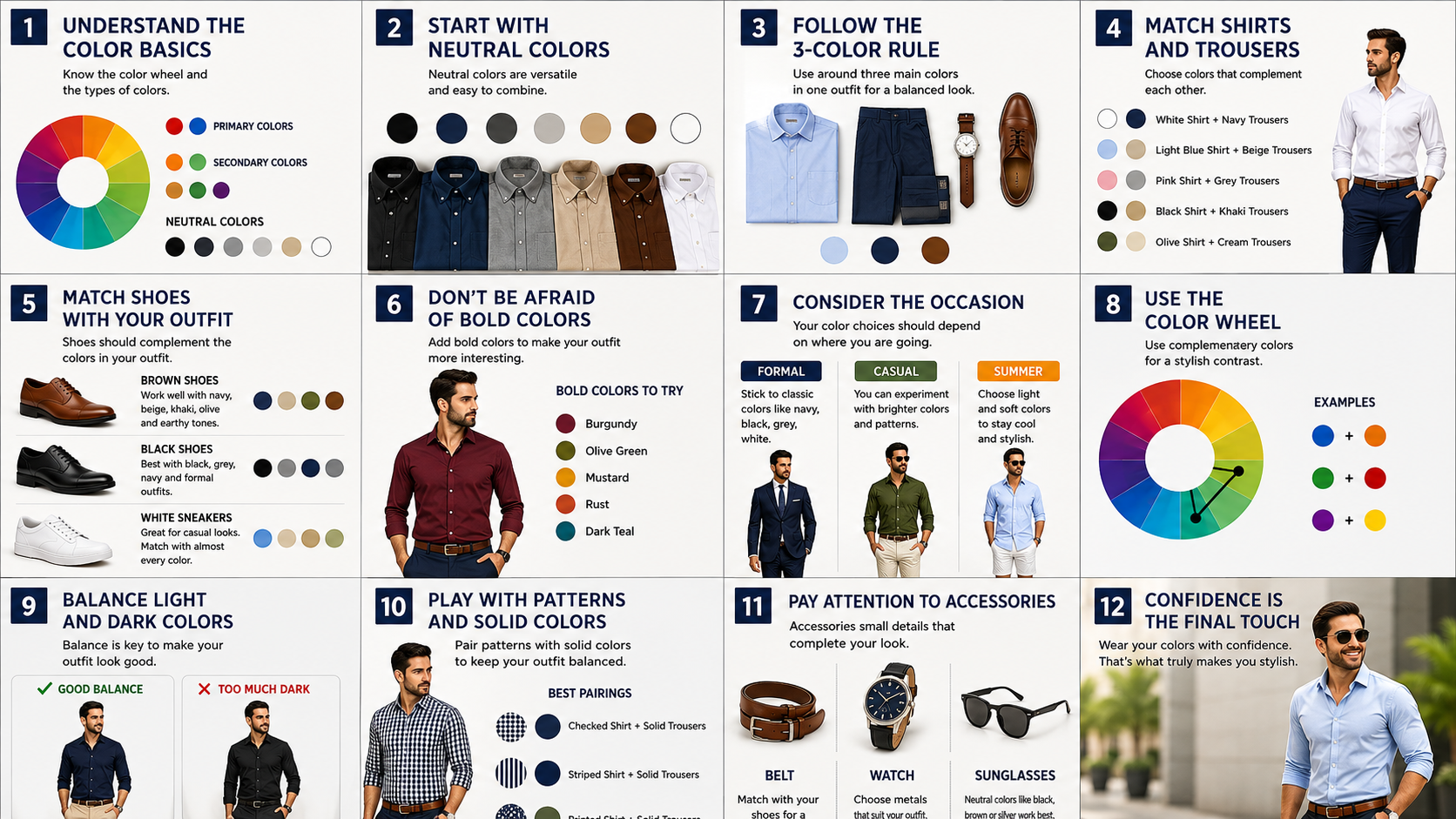
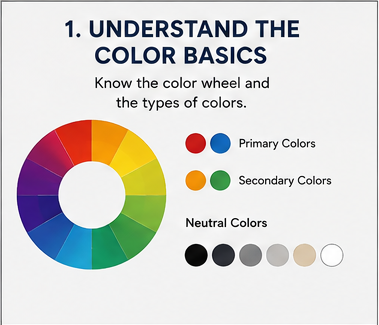
Before creating different outfits, it helps to understand the basics of colors. Men’s clothing generally works well with three types of colors: neutral, complementary, and contrasting colors.
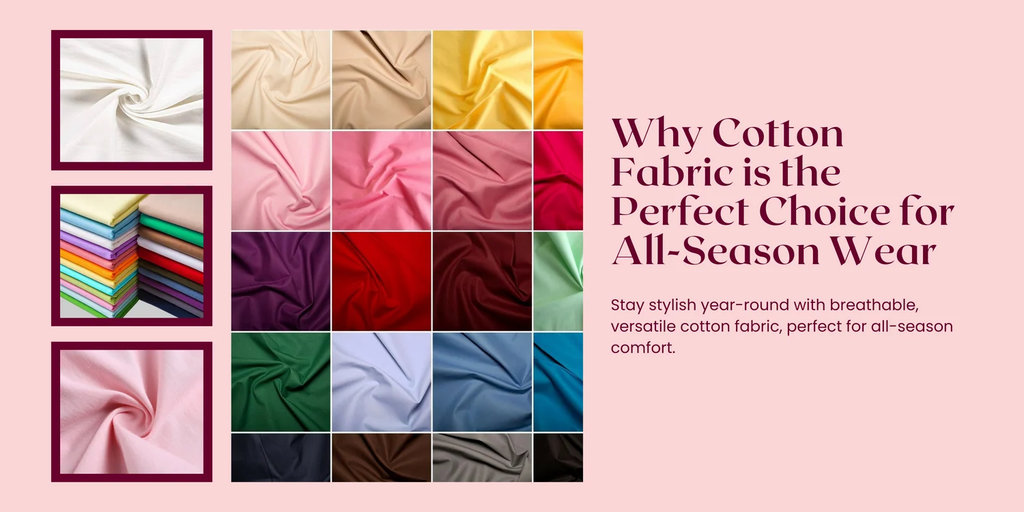
Neutral colors include black, white, grey, navy, beige, brown, and cream. These colors are easy to combine and are excellent choices for building a versatile wardrobe.
Complementary colors are opposite each other on the color wheel, while contrasting colors create a stronger visual difference. You do not need to follow complicated color theory. Start with simple combinations and gradually experiment with different shades.
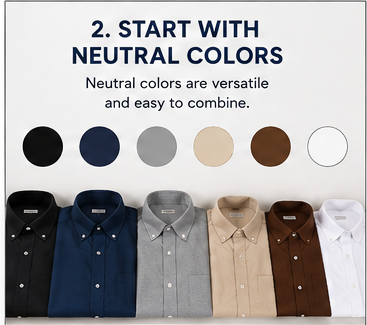
Start With Neutral Colors
Neutral colors are the easiest way to create a stylish outfit. For example, a white shirt with navy trousers is a classic combination that works for many occasions. Similarly, a black T-shirt with grey jeans creates a simple and modern casual look.
Beige, cream, grey, and navy can also be mixed together to create sophisticated outfits. If you are unsure about color matching, begin with neutral clothing and add one stronger color as an accent.
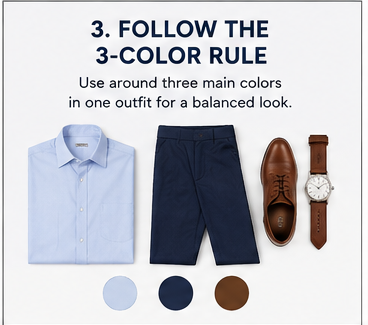
Use the 3-Color Rule
A useful fashion rule is the three-color rule. Try to keep your outfit to around three main colors. This prevents your clothing from looking too busy.
For example, you could wear a white shirt, navy trousers, and brown shoes. Another option is a black T-shirt, blue jeans, and white sneakers. These combinations look clean because the colors complement each other without competing for attention.
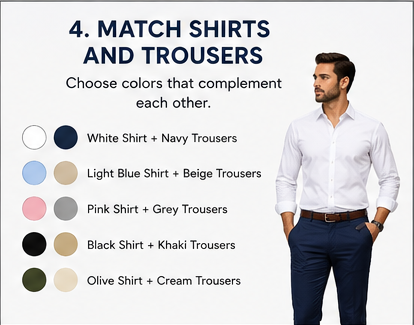
Learn How to Match Shirts and Trousers
Your shirt and trousers are usually the most noticeable parts of your outfit, so choosing the right combination is important.
A white shirt works well with navy, black, grey, beige, and brown trousers. A light blue shirt looks excellent with navy, charcoal, beige, or khaki trousers. For a bolder appearance, try a burgundy or olive shirt with neutral-colored trousers.
When wearing patterned shirts, keep your trousers simple. For example, a checked or striped shirt can be paired with plain navy or grey trousers.
Match Shoes With Your Outfit
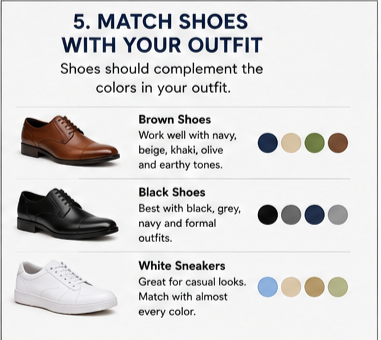
Shoes should also work with the colors of your clothing. Brown shoes pair particularly well with navy, beige, khaki, and other earthy colors. Black shoes are a great choice for black, grey, and formal outfits.
For casual outfits, white sneakers are extremely versatile. They can work with jeans, chinos, shorts, and many neutral-colored trousers.
Remember that your belt should generally complement the color of your shoes, especially when wearing a formal or smart-casual outfit.
Don’t Be Afraid of Bold Colors
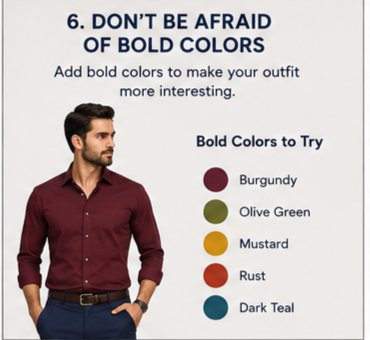
While neutral colors are easy to wear, adding bold colors can make an outfit more interesting. Colors such as burgundy, olive green, mustard, rust, and dark teal can add personality to your wardrobe.
The key is moderation. If you wear a brightly colored shirt, balance it with neutral trousers and shoes. For example, a burgundy shirt can look stylish with dark blue jeans and brown shoes.
Consider the Occasion
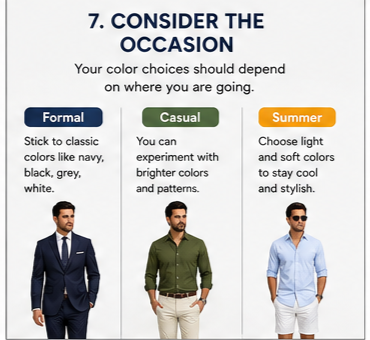
Color choices should also depend on where you are going. For formal occasions, classic combinations such as white, navy, black, grey, and light blue are usually appropriate.
For casual occasions, you have more freedom to experiment with brighter colors and patterns. During summer, lighter shades such as cream, pastel blue, beige, and light grey can create a fresh appearance.
Final Thoughts
Learning how to match colors in men’s outfits does not have to be complicated. Start with neutral colors, follow the three-color rule, coordinate your shirts and trousers, and choose shoes that complement the overall look. Once you become comfortable with basic combinations, you can experiment with bolder shades and patterns.
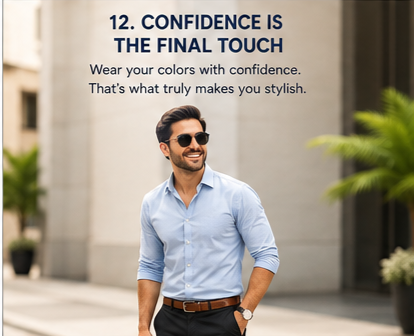
The most important thing is to wear your clothes with confidence. Good color coordination combined with the right fit and personal style can instantly make any man’s outfit look more polished and fashionable.